

Every memorable fashion collection begins as an emotional, conceptual pursuit. In the atelier, designers manipulate fabric weights, sculpt silhouettes, and build evocative narratives that challenge aesthetic norms. Yet the most striking runway show or breathtaking sketch portfolio remains an expensive creative exercise if it fails to find an audience willing to invest in it. Behind every sustained commercial triumph in the apparel industry stands a discipline that operates largely out of the spotlight: fashion merchandising.
Far from being a clerical inventory task or merely arranging mannequins in a window display, fashion merchandising is the strategic engine that connects artistic ambition with commercial viability. It transforms abstract creative energy into structured product lines that retail buyers want, logistics teams can deliver, and consumers eagerly adopt.
Bridging the Divide Between Vision and Commercial Reality
Fashion designers and fashion merchandisers view a collection through fundamentally different lenses. A designer sees proportion, texture, and emotional resonance. A merchandiser sees stock-keeping units, cost of goods sold, margin targets, and inventory turn rates. Rather than existing in opposition, these two perspectives must operate in constant dialogue.
Merchandisers act as diplomatic translators. When a creative director conceives an elaborate outerwear piece crafted from imported shearling, the merchandising team does not simply veto the design due to high production expenses. Instead, they evaluate where that garment fits within the broader retail assortment. They might recommend retaining a limited run of the shearling coat as an aspirational halo product, while simultaneously developing tailored wool overcoats and accessible quilted jackets that borrow the same design language at volume-friendly price points. This balance ensures the brand maintains its creative credibility while generating the cash flow necessary to fund ongoing innovation.
Data-Informed Trend Forecasting and Market Intelligence
Creative intuition alone is rarely enough to sustain a modern apparel brand. Today’s consumer preferences fluctuate rapidly, influenced by social media algorithms, regional climate variations, and shifting lifestyle priorities. Fashion merchandisers anchor design initiatives in empirical reality by conducting thorough market analysis before sample fabric is ever cut.
Merchandisers analyze historical point-of-sale data, competitor assortments, sell-through velocities, and macro-economic factors. They determine whether a micro-trend has enough commercial staying power to justify a six-month manufacturing lead time or whether it will burn out before inventory lands on retail floors. By identifying emerging voids in the market—such as an unaddressed demand for elevated travel wear or relaxed tailoring in mid-tier pricing—merchandisers provide designers with clear creative briefs that direct their talents toward genuinely receptive audiences.
Strategic Assortment Planning and Price Architecture
A successful collection is never a random assemblage of beautiful garments; it is a meticulously calculated portfolio. Fashion merchandisers construct the product matrix that governs how many tops, bottoms, dresses, and accessories comprise a seasonal delivery.
Balancing Core Staples with High-Impact Statements
A sustainable retail brand relies on a clear hierarchical product mix. Merchandisers divide collections into three operational categories: core essentials, commercial fashion, and runway statement pieces.
Core essentials represent reliable, seasonless revenue generators—classic white button-downs, signature denim cuts, or tailored blazers that customers repurchase consistently. Commercial fashion introduces contemporary updates, seasonal colors, and timely fabrications that reflect current cultural moods without alienating pragmatic shoppers. Runway statement pieces generate editorial press, draw organic traffic, and define brand identity, even if they account for less than five percent of overall unit sales. Structuring this hierarchy protects brands from the financial vulnerabilities of producing collections that are either excessively avant-garde or disappointingly generic.
Cost Engineering and Margin Protection
Creativity must align with financial discipline at the manufacturing level. Merchandisers work alongside production teams and sourcing managers to ensure that wholesale and direct-to-consumer price architectures yield sustainable margins. They analyze yield efficiencies, trim costs, and factory minimums early in the development cycle. If a specific pocket construction or custom hardware detail inflates production costs beyond a viable retail threshold, the merchandiser collaborates with design to re-engineer the component without compromising the garment’s visual appeal.
Curating the Omnichannel Customer Experience
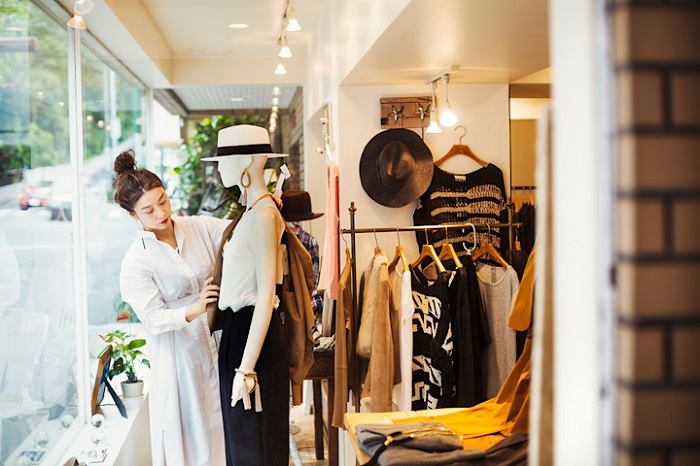
Once products leave manufacturing facilities, merchandising pivots toward the customer journey. How a collection is presented directly governs how its value is perceived. In brick-and-mortar spaces, visual merchandisers dictate lighting, fixture layout, sensory cues, and outfit adjacencies, guiding shoppers through deliberate brand stories that encourage multi-item purchases.
In the digital realm, e-commerce merchandising has expanded into an intricate discipline of its own. Merchandisers orchestrate landing page hierarchies, product recommendations, category filtering, and mobile imagery to reflect the physical boutique experience. By ensuring that styling suggestions and bundled items appear intuitively during browsing, digital merchandisers reduce consumer friction and significantly increase average order values.
Managing Lifecycle Cadence and Inventory Velocity
The retail lifecycle of fashion is inherently time-sensitive. A winter collection that arrives two weeks late can drastically compress full-price selling windows, resulting in unplanned margin erosion. Fashion merchandisers manage the timing of product drops, spacing out deliveries so retail floors and digital storefronts remain perpetually fresh without overwhelming the customer.
Moreover, merchandisers continuously monitor sell-through rates once inventory goes live. When an item outperforms projections, they evaluate reorder feasibility or adapt subsequent seasonal allocations. When an item underperforms, they execute targeted promotional strategies rather than panicked storewide markdowns, preserving overall brand equity while freeing up capital tied up in slow-moving inventory.
Great fashion relies on artistic genius to captivate the imagination, but long-term industry dominance belongs to brands that master the discipline of fashion merchandising. By grounding artistic inspiration in market intelligence, thoughtful assortment design, and rigorous inventory stewardship, merchandising transforms ambitious design concepts into sustainable, scalable retail reality. The ultimate validation of any fashion collection does not occur on the runway; it happens when an individual customer decides that a designer’s creative vision belongs in their daily wardrobe.


