

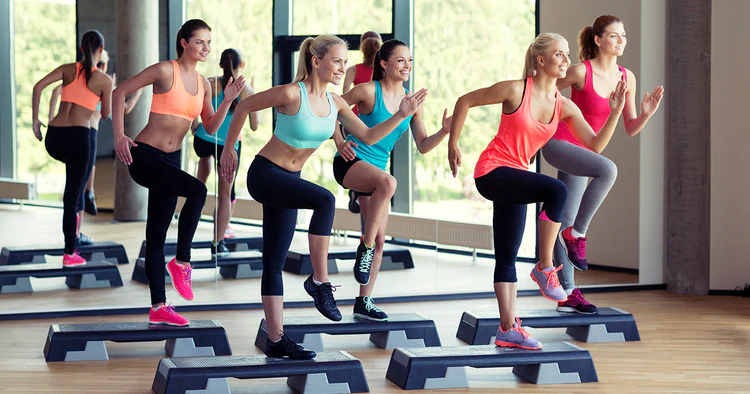
Nutrition and exercise are inseparable partners. What you eat before a workout determines how much energy you have during it, how well your body performs, and how quickly you recover. What you eat after a workout determines how effectively your muscles repair, how quickly your energy stores are replenished, and whether you actually feel ready for your next session. Yet most nutrition advice around exercise is frustratingly generic.
“Eat a banana before training” might work before a light yoga class but is inadequate preparation for a high-intensity interval session. “Have a protein shake after your Workout classes” is useful for a strength class but may be overkill after a gentle stretch session. For people attending fitness classes singapore in their various formats, matching nutrition to class type makes a meaningful difference in both performance and results.
This article breaks down pre- and post-workout nutrition for different class types, with practical guidance that incorporates Singapore’s local food landscape.
Understanding the Basics: What Your Body Needs for Exercise
Before getting into class-specific guidance, it helps to understand the three main nutritional pillars of exercise support.
Carbohydrates are the body’s preferred fuel source during exercise, particularly at moderate to high intensities. They are stored in the muscles and liver as glycogen, and depleted glycogen is one of the primary causes of mid-workout fatigue.
Protein is the building block of muscle tissue. During exercise, muscle fibres experience microscopic damage, and protein provides the amino acids needed to repair and rebuild them stronger. Post-workout protein intake is particularly important for strength and resistance class participants.
Fats are a slower-burning fuel source used predominantly during low-intensity, steady-state exercise. They are less relevant for pre-workout nutrition timing but remain important for overall health and hormonal function.
Hydration, while not technically nutrition, deserves equal attention. Singapore’s year-round heat and humidity mean that sweat rates during indoor fitness classes are significantly higher than in cooler climates, and even mild dehydration impairs performance, concentration, and recovery.
Pre-Workout Nutrition for High-Intensity Classes (HIIT, Cycling, Cardio Dance)
High-intensity classes draw heavily on glycogen stores and demand rapid energy availability. Eating the right pre-workout meal can make the difference between a strong performance and hitting the wall halfway through.
What to eat:
- A meal or snack with moderate carbohydrates and a small amount of protein, eaten one to two hours before class
- Avoid large amounts of fat or fibre immediately before a high-intensity class, as these slow digestion and can cause discomfort during vigorous movement
Singapore-friendly options:
- Two slices of wholemeal bread with kaya and a soft-boiled egg, eaten about 90 minutes before class
- A small bowl of plain porridge with a poached egg
- Banana with a tablespoon of peanut butter
- Teh C siu dai or kopi siu dai if you benefit from a mild caffeine boost, as studies show caffeine improves high-intensity exercise performance when consumed 45 to 60 minutes before training
What to eat after: High-intensity classes deplete glycogen and create significant muscle protein breakdown. Recovery nutrition should prioritise both carbohydrates and protein, ideally within 30 to 60 minutes post-class.
Singapore-friendly post-HIIT options:
- A bowl of yong tau foo with clear soup, tofu, fish cake, and plenty of vegetables
- Ban mian with minced pork and an egg, which hits the protein and carb targets well
- Greek yoghurt with a small portion of granola and fresh fruit
- Protein shake blended with banana if you need something quick and portable
Pre and Post-Workout Nutrition for Strength and Resistance Classes
Strength classes focus on muscle overload and require adequate protein availability both before and after training. The pre-workout meal fuels the session, and the post-workout meal drives muscle repair.
What to eat before:
- A meal containing lean protein and moderate carbohydrates, eaten one to two hours before class
- Avoid training fasted for strength classes if muscle building is your goal, as research shows pre-workout protein intake increases muscle protein synthesis during and after the session
Singapore-friendly pre-strength options:
- Chicken rice with no skin, moderate rice portion, and plenty of vegetables
- A slice of wholemeal bread with canned tuna and sliced cucumber
- Overnight oats with milk and a scoop of protein powder prepared the night before
What to eat after: Post-strength class nutrition is arguably the most critical nutritional window in fitness. Aim for a meal or snack containing 20 to 40 grams of protein and a moderate portion of carbohydrates within 60 minutes of class completion.
Singapore-friendly post-strength options:
- Grilled chicken or fish with brown rice from a mixed rice stall, a genuinely excellent post-workout option if portion sizes are sensible
- Two boiled eggs with a small bowl of oats
- Steamed fish with tofu and vegetables, a staple that ticks every nutritional box for recovery
Pre and Post-Workout Nutrition for Yoga, Pilates, and Low-Intensity Classes
Lower-intensity classes are more forgiving in terms of nutrition timing, but eating thoughtfully still improves the experience and the outcome.
What to eat before: Yoga and Pilates involve significant core engagement, inversions, and compression movements that can be uncomfortable on a full stomach. A light snack 60 to 90 minutes before class is typically sufficient.
Singapore-friendly pre-yoga options:
- A small banana or a few dates
- A cup of warm milo or oat milk with a small handful of nuts
- Half a portion of wholemeal toast with peanut butter
What to eat after: Post-yoga recovery focuses more on hydration and general balanced nutrition than aggressive protein or carbohydrate replacement, since the demands on muscle tissue are lower.
Singapore-friendly post-yoga options:
- A warm bowl of porridge with a soft-boiled egg, light and nourishing
- A fruit smoothie with some Greek yoghurt blended in
- A bowl of mixed vegetable soup with tofu from your neighbourhood kopitiam
Pre and Post-Workout Nutrition for Aqua Fitness Classes
Aqua fitness is deceptively demanding. The water masks how hot and sweaty you are getting, which means dehydration can sneak up on participants who do not consciously hydrate before and after the session.
Before class: Focus on hydration, drinking at least 500ml of water in the hour before class. Eat a light carbohydrate-based snack if the class is more than 45 minutes long.
After class: Rehydrate aggressively, as you may have lost more fluid than you realise. Eat a balanced meal within one to two hours, combining carbohydrates, protein, and vegetables.
Hydration Specifically for Singapore’s Climate
Singapore’s humidity means your sweat rate during indoor fitness classes is significantly higher than it would be in a temperate climate, even in air-conditioned studios. The air conditioning typically reduces the heat stress but does not fully compensate for Singapore’s baseline humidity.
General hydration guidelines for fitness classes in Singapore:
- Drink 400 to 600ml of water in the two hours before class
- Sip water during class, particularly during rest intervals in high-intensity formats
- Drink 500ml to 1 litre of water in the hour following class, adjusting based on how heavily you sweated
- For classes lasting longer than 60 to 90 minutes, consider an electrolyte drink rather than plain water to replace sodium, potassium, and magnesium lost through sweat
True Fitness Singapore studios are located throughout Singapore, making it practical to plan your nutrition around class timing regardless of which part of the island you are coming from.
Common Nutritional Mistakes That Undermine Workout Class Performance
Understanding what not to do is as important as knowing what to do. Here are the most common nutrition errors that reduce workout class outcomes for Singaporeans.
- Training fasted for high-intensity classes: While intermittent fasting has its uses, going into a HIIT or cycling class without any fuel typically results in poor performance and greater muscle breakdown.
- Eating a full meal immediately before class: A hawker centre meal 20 minutes before yoga or a spinning class will cause discomfort and sluggishness. Two hours is a better window for larger meals.
- Ignoring post-workout nutrition entirely: Many Singaporeans finish a class and go straight back to work or home without eating, which squanders the recovery window and slows results.
- Relying on isotonic drinks for all classes: Commercial sports drinks are designed for endurance athletes training for extended periods. For a 45-minute yoga class, they are unnecessary and add significant sugar calories.
FAQ
Q: Is it okay to eat hawker food before and after workout classes?
A: Absolutely, with some thought given to choices. Many hawker options are genuinely well-suited for workout nutrition. Clear soup noodles, steamed rice with lean protein, and tofu-based dishes are excellent post-workout options. The main things to be mindful of are portion sizes, fat content (avoid heavily fried dishes before class), and timing.
Q: How long should I wait after eating a full meal before attending a fitness class?
A: For high-intensity classes, wait at least two hours after a full meal to allow for digestion and reduce the risk of cramps or discomfort. For lighter class formats like yoga or stretching, 60 to 90 minutes is generally sufficient after a small to medium meal.
Q: Do I need protein supplements like protein powder, or can I get enough protein from regular food?
A: Most people can meet their protein needs from whole food sources without supplements, particularly in Singapore where affordable, protein-rich options like eggs, tofu, lean meats, and fish are widely available at kopitiam and hawker centres. Protein supplements are convenient but not essential unless your schedule makes whole food preparation consistently difficult.
Q: Should I drink coffee before my workout class?
A: Caffeine has well-documented performance-enhancing effects for aerobic and strength exercise when consumed 45 to 60 minutes before training. A regular kopi or teh before class is a perfectly reasonable pre-workout option. However, avoid large amounts of caffeine before evening classes if sleep quality is already a concern for you.
Q: What should I eat if I have two workout classes in one day?
A: Recovery between sessions is critical. After your first class, prioritise a meal or snack containing both protein and carbohydrates within 30 to 60 minutes. Allow at least two hours of digestion time before your second class. Hydration is particularly important when doubling up on sessions, so drink steadily throughout the day rather than trying to catch up immediately before the second class.


