

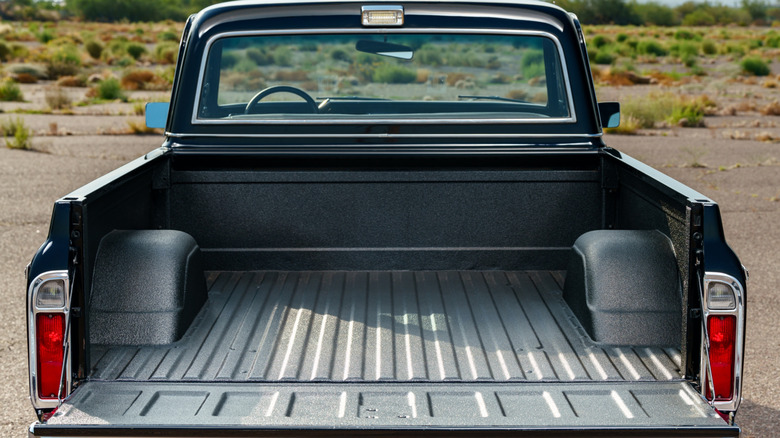
A brand-new pickup truck bed looks pristine when it rolls off the dealership lot, but that factory-painted sheet metal is remarkably vulnerable. A single weekend run carrying paving stones, gravel, heavy machinery, or scrap iron can leave deep gouges through the clear coat, exposing the bare steel beneath to immediate oxidization. Anyone who uses a truck as an actual utility vehicle understands that bed protection is not a cosmetic luxury; it is an essential safeguard for the vehicle’s structural integrity and long-term resale value.
When selecting aftermarket protection, the debate inevitably settles on two dominant solutions: the traditional drop-in plastic liner and the modern spray-on protective coating. While both products share the identical mission of keeping your truck bed intact, they achieve that goal through radically different physical properties, installation demands, and long-term behaviors. Choosing between them requires looking beyond the price tag to consider how you haul, what you carry, and how long you plan to keep the vehicle in service.
Understanding the Core Differences in Construction
To make a sound decision, you first need to understand the fundamental mechanics of each option.
A drop-in bedliner is a rigid, pre-molded shell manufactured from high-density polyethylene composite. Engineered to match the general dimensions of specific truck beds, it slides directly over the sheet metal and secures underneath the bed rails or through factory tie-down points with bolts and specialized clips. It acts as an independent armor plate that sits on top of your truck’s painted surfaces.
A spray-on bedliner, by contrast, is a specialized polyurea or polyurethane chemical compound applied directly to the prepared truck bed at high pressure and elevated temperature. Before application, technicians thoroughly clean, mask, and scuff the factory paint with abrasive pads to ensure mechanical adhesion. Once sprayed, the liquid coating flashes and cures within seconds, forming a thick, textured, and permanently bonded skin that conforms flawlessly to every ridge, drain hole, and contour of the bed.
Blunt Impact Cushioning vs. Seamless Surface Defense
How a bedliner responds to abuse depends entirely on the nature of the cargo you throw at it.
Drop-in liners excel at absorbing heavy blunt impacts. Because the thick polyethylene shell is rigid and slightly elevated above the floor ribs, it creates a subtle buffer zone between the falling object and the metal bed floor. If you routinely toss heavy split firewood, cinder blocks, steel pipes, or commercial landscape rocks into the back of your truck from waist height, a drop-in liner acts as a shock absorber. The plastic flexes and disperses the kinetic energy across a wide surface area, dramatically reducing the odds of deep structural dents in the truck’s bed floor.
Spray-on liners provide unmatched abrasion resistance and surface protection, but they distribute impact differently. Because the coating is bonded directly to the steel, it cannot act as a detached shock-absorbing buffer. An extreme, concentrated blow from a heavy steel corner can still dent the sheet metal underneath, even though the chemical coating itself will rarely tear or chip. Where spray-on products dominate is resisting gouges, tears, scrape marks, and chemical exposure. Corrosive substances like motor oil, diesel fuel, fertilizer, and pool chlorine will destroy unprotected paint, yet they wipe clean off a quality polyurea spray without degrading the bond.
The Concealed Threat of Moisture, Vibration, and Rust
The most significant operational difference between these two systems involves what happens beneath the surface over years of daily driving.
Drop-in liners inherently move. No matter how snugly the plastic is bolted into place, highway speeds, thermal expansion, and engine vibration cause the rigid plastic to shift against the painted bed floor. Over thousands of miles, that continuous micromovement turns dirt and road grit trapped beneath the plastic into an abrasive sandpaper. The liner slowly wears away the truck’s clear coat and primer down to the bare steel.
Worse, drop-in liners are not watertight. Rain, melted snow, washing runoff, and road salt wash down the sides and pool on the floor beneath the plastic. Because airflow is restricted, that trapped moisture struggles to evaporate. This combination of rubbed-off paint and trapped moisture creates an ideal breeding ground for hidden structural rust. Many truck owners remove an old drop-in liner after five years only to discover advanced floor rot that had been completely invisible from above.
A professional spray-on liner eliminates this risk entirely. Because the coating forms an airtight, permanent chemical bond with the substrate, moisture and salt have no path to reach the steel. There are no gaps, no voids, and no opportunities for friction. The coating effectively seals the steel from atmospheric exposure for the lifespan of the vehicle.
Cargo Stability, Usable Volume, and Accessory Fitment
Day-to-day usability often hinges on how the liner interacts with your cargo and other truck accessories.
Rigid plastic liners are notoriously slick. Unsecured toolboxes, ice chests, sports equipment, and small machinery will slide freely across the bed during moderate acceleration or cornering unless strapped down securely. While this low-friction surface makes sliding heavy wooden pallets in and out effortless, it can turn an ordinary grocery run into a frustrating exercise in cargo containment. Furthermore, the thick plastic shell intrudes slightly into the bed volume, occasionally interfering with tight-fitting tonneau covers, fifth-wheel hitches, and aftermarket camper shells.
Spray-on liners feature an aggressive, rubberized pebble texture that delivers exceptional tactile traction. Cargo stays planted where you set it. Stepping into the bed during wet or freezing weather is significantly safer because the textured finish provides reliable footing. Because the material adds only a fraction of an inch to the bed walls and floor, all factory tie-down loops, stake pockets, lighting assemblies, and electrical outlets remain entirely functional and accessible without trimming or modifications.
Cost Considerations, Application Demands, and Durability
Financial investment and installation convenience represent the primary dividing line for most truck owners.
A drop-in liner is undeniably economical. It can be purchased for a modest sum and installed in a driveway in under an hour with basic hand tools. If the liner eventually cracks under extreme winter cold or becomes warped from blistering summer heat, replacing it is as simple as unbolting the old shell and dropping in a fresh unit. This also makes drop-in liners appealing for leased vehicles, as the liner can be removed before returning the truck without having permanently altered the original factory paint.
A professional spray-on liner requires a substantially higher initial investment. The installation is labor-intensive, demanding skilled surface prep, masking, and specialized spray equipment. Once applied, the process is completely irreversible; you cannot return the bed to its original factory finish. In exchange for that cost and commitment, however, you receive a permanent protective layer that will not warp, crack, flap in the wind, or require replacement under normal working conditions. Most professional installers back their spray-on applications with nationwide lifetime warranties against peeling or bubbling.
Matching the Liner to Your Hauling Routine
Selecting the right protective system comes down to an honest assessment of how you intend to use your pickup.
A drop-in bedliner remains a practical, sensible choice if you are operating on a strict budget, managing a short-term commercial lease, or regularly hauling rough, dense materials like masonry and scrap metal that threaten severe denting. The sacrificial plastic barrier takes the punishment so your steel floor does not have to.
For owners focused on long-term vehicle ownership, active outdoor recreation, and comprehensive rust prevention, a spray-on liner is the superior investment. Its rugged grip, seamless factory appearance, total accessory compatibility, and permanent rust barrier deliver an everyday ownership experience that rigid plastic simply cannot match.


